


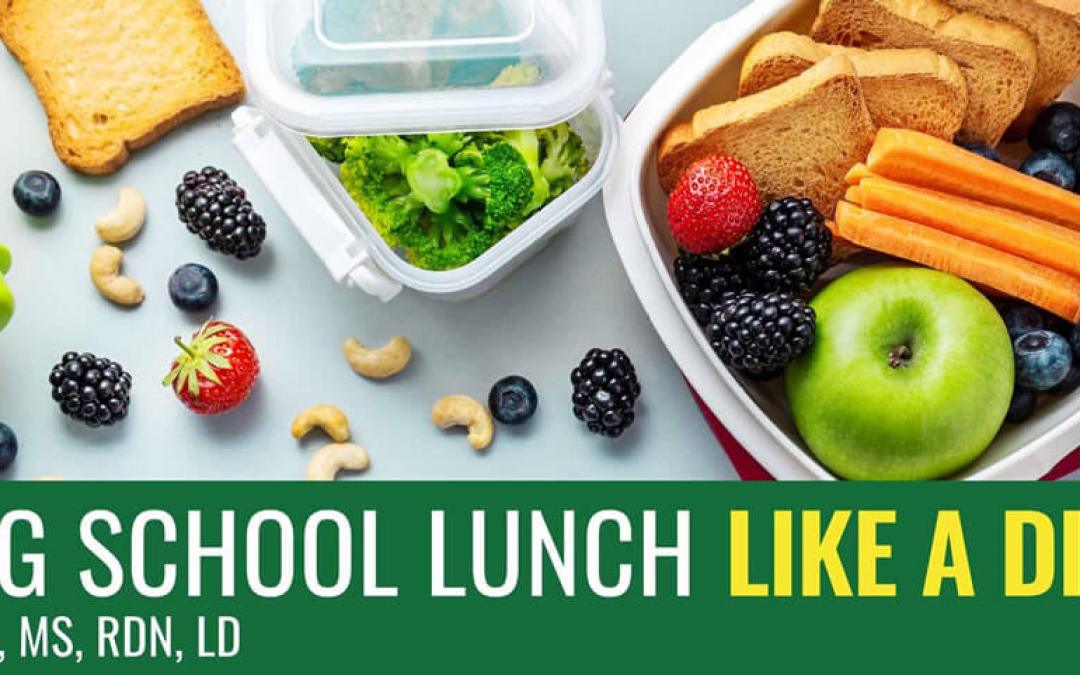
Back to school we go! There is so much excitement for the year ahead—new friends, new teachers, new memories. But the one thing parents are not always excited about is the “back to packing school lunch” part.
Instead of staring into the fridge wondering, “What on earth am I going to send today?” we have some tried-and-true suggestions for you!
Registered dietitian Sophie Dolan, MS, RDN, LD, shares a dietitian’s perspective on packing school lunches and creating a balanced approach families can use throughout the school year.
Start With What Your Child Will Actually Eat
Lunch is an important time for your child to refuel for the rest of the afternoon. We want to make the most of it!
Make sure to talk with your child about what they would want you to send for lunch or if they have feedback on past lunches. A lot of times, they have insight that will save you time and frustration and give good direction for future lunches.
It can also be helpful to keep a list of lunches that went well to make your life a bit easier.
A filling, nourishing, and well-balanced lunch for kids needs to include all the macronutrients—protein, fat, and carbohydrates. These macronutrients work together to support growth, satisfaction, energy, and focus throughout the school day.

Packed with love and powered by Piggly Wiggly—grab fresh produce, whole grain breads, and lunchbox favorites for meals your kids will actually eat!
Protein
Protein can help keep kids satisfied until their afternoon snack.
Options include:
- Deli meat
- Yogurt
- Cheese
- Edamame
- Nuts or seeds, if permitted
- Milk
- Pepperoni
- Chicken
- Beans or legumes
- Eggs
Starchy Carbohydrate
Carbohydrates provide energy for the school day. Sophie suggests options such as:
- Whole-wheat bread
- Crackers
- Pita bread
- Chips
- Wraps
- Popcorn
Sophie also recommends choosing whole-wheat breads and crackers when they work for your child as a way to add fiber.
Colorful Produce
Add fruits and/or vegetables for vitamins, minerals, and fiber.
Fruit ideas: sliced apples, blueberries, grapes, banana, fruit pouches, clementines, kiwi, or freeze-dried fruit.
Vegetable ideas: sliced cucumber, baby carrots, sliced bell peppers, or celery.
Fat
Fat can help make lunch satisfying and supports normal body functions, including brain health.
Options include:
- Cheese
- Avocado
- Hummus
- Olives
- Nuts or seeds
- Milk
- Yogurt
Some foods, such as cheese, milk, yogurt, nuts, and seeds, may contribute to more than one category—and that’s fine.
Food-allergy note: Check your child’s individual needs and the school’s current food-allergy policies before packing foods such as peanuts, tree nuts, or other potential allergens. CDC recommends that schools have plans for preventing and managing food-allergy reactions, and individual school practices can differ.
For younger children, prepare foods in forms appropriate for their age and eating skills. Parents and caregivers should also consider their child’s individual needs when choosing the size, texture, and preparation of lunch foods.

The options and combinations are endless. Plan ahead to make sure you have plenty of options in your fridge and pantry to create a great lunch on the fly.
Here are some healthy & delicious combos to get you started:
- DIY Lunchable
-
-
- Deli meat and cheese rolled up
- Crackers (whole wheat such as Triscuit preferred!)
- Sliced veggies with hummus, ranch, or favorite dip
- Fruit
-
- Quesadilla
-
-
- Cheese & Black bean quesadilla on Whole wheat tortilla
- Guacamole, salsa and/or sour cream for dipping
- Tortilla chips
- Extra veggies (sweet bell peppers) or fruit to dip into sauce
-
- Nut/Seed Butter Sandwich
-
-
- Peanut butter and Jelly sandwich OR sunflower butter on whole wheat bread
- Edamame
- Goldfish, pretzels, chips
- Fruit
-
- Sliders
-
-
- Mini bagels or Hawaiian rolls to make turkey, cheese, honey mustard sliders
- Harvest snap pea crisps or something crunchy
- Fruit
-
- Pesto Pasta
-
-
- Whole wheat pasta or chickpea-based pasta mixed with pesto
- Mozzarella balls or serving of cheese
- Fruit
-
- Make it Mediterranean!
-
- Hummus with pita bread
- Sliced cucumbers
- Cheese and/or olives (if your child enjoys these)
- Boxed milk
Friendly reminder: A healthy lunch does not have to be free of treats! Choose smaller or “mini” size treats when included such as mini rice crispy treats, a small cookie, yogurt covered raisins or some chocolate chips.

Fuel your child’s school day with balanced lunches made easy—shop Piggly Wiggly for deli meats, whole grains, and fresh produce that make packing stress-free!
Packing school lunch does not have to be full of stress. Use this guide to get you started and set your child up for a successful day! Next thing you know, you will be doing it in your sleep!
For additional resources, check out the following blogs: Feeding Littles, Yummy Toddler Food, and MamaKnowsNutrition.
Head to your local Pig to pick up everything you need to fill up those lunch boxes! They have plenty of options from deli meats to whole wheat crackers to single serving hummus/guacamole to save you time!
Easy School Lunch Combinations
The options and combinations are endless. Planning ahead can give you several familiar ingredients in the refrigerator and pantry that can be combined into a lunch on the fly.
Here are some of Sophie’s healthy and delicious combinations to get you started:
DIY Lunchable
- Deli meat and cheese roll-ups
- Whole-wheat crackers, such as Triscuit
- Sliced vegetables with hummus, ranch, or a favorite dip
- Fruit
Quesadilla
- Cheese and black bean quesadilla on a whole-wheat tortilla
- Guacamole, salsa, and/or sour cream for dipping
- Tortilla chips
- Sweet bell peppers or fruit
Nut or Seed Butter Sandwich
- Peanut butter and jelly sandwich or sunflower butter sandwich on whole-wheat bread
- Edamame
- Goldfish, pretzels, or chips
- Fruit
Remember: Follow your child’s school allergy policy when choosing nut or seed products.
Sliders
- Mini bagels or Hawaiian rolls with turkey, cheese, and honey mustard
- Harvest Snaps or another crunchy side
- Fruit
Pesto Pasta
- Whole-wheat or chickpea-based pasta with pesto
- Mozzarella balls or another cheese
- Fruit
Make It Mediterranean
- Hummus with pita bread
- Sliced cucumbers
- Cheese and/or olives, if your child enjoys them
- Boxed milk
These are combinations, not rigid rules. Use them as starting points and adjust them for your child’s preferences, dietary needs, school policies, and age.
Pack Perishable Lunches Safely
When lunches contain foods that need refrigeration—such as deli meat, yogurt, cheese, milk, eggs, or cooked chicken—pack them so they stay cold until lunchtime. USDA recommends using at least two cold sources in an insulated lunch bag, such as two frozen gel packs or a frozen gel pack paired with a frozen water bottle or juice box.
This food-safety guidance is separate from Sophie’s nutrition recommendations.
Friendly reminder from Sophie: A healthy lunch does not have to be free of treats!
When included, she suggests smaller or “mini” treats such as a mini crispy rice treat, a small cookie, yogurt-covered raisins, or some chocolate chips.
Keeping children involved can help, too. Ask what they liked, what came home uneaten, and what they would enjoy seeing again. That feedback can make future lunch planning easier and help you build a rotation of lunches your child actually enjoys.
Mother packing healthy school lunches with her two children using ingredients from Piggly Wiggly Involving kids in lunch planning can help families identify familiar foods and combinations they enjoy.
Follow Sophie for More Nutrition Tips
Follow Sophie on Instagram @sophiedolan.rd and right here on thepigbham.com for professional yet approachable guidance on nourishing and enjoyable meals. You can also find her professional practice at Sophie Dolan Nutrition.