


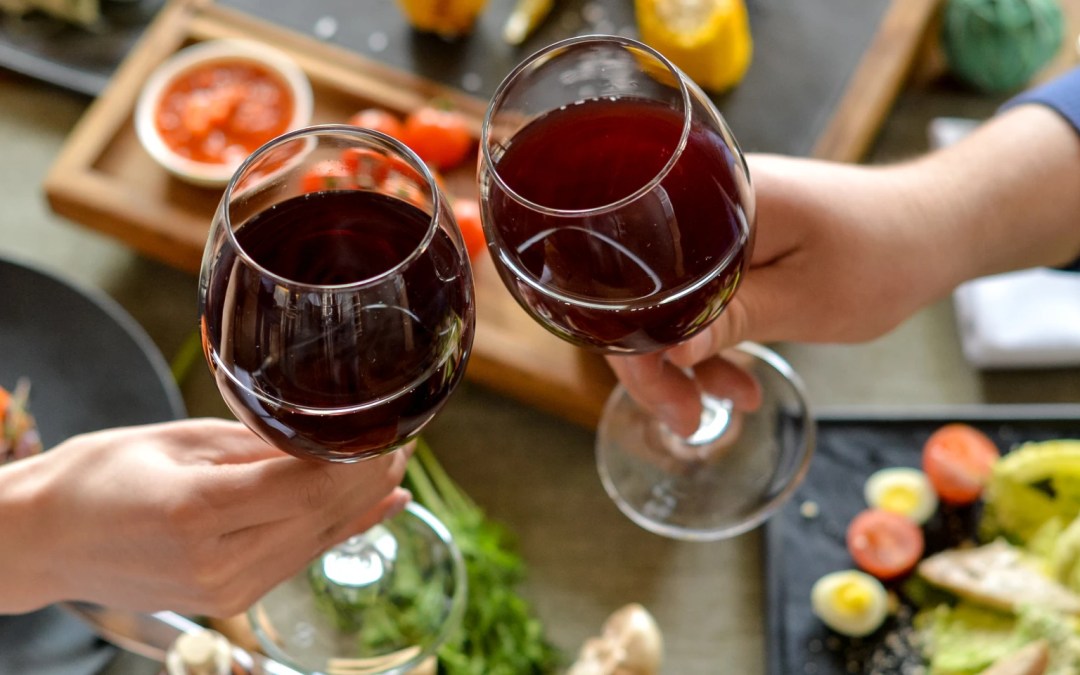
The Pig’s food-first wine guide
Finding the right wine doesn’t start with the wine. It starts with dinner.
When Piggly Wiggly Birmingham wine specialist Scott Atkinson recommends a bottle, he begins with two questions: What are you eating, and how are you making it? The preparation, sauce, seasoning, and richness of the finished dish are often more useful than the protein alone.
This guide turns that approach into practical starting points for the meals Birmingham cooks most—from fried chicken and barbecue to pasta, steak, and seafood.
Three clues, in order
Read the dish in layers
The main ingredient narrows the field. These three details help you choose the style that will actually belong at the table.
- PreparationGrilling adds char, frying adds richness, and roasting concentrates flavor. Each method changes the weight the wine needs to carry.
- Sauce and seasoningA tomato sauce, buttery cream sauce, Alabama white sauce, or citrus dressing can matter more than the meat or vegetable underneath it.
- IntensityMatch the energy of the plate. Delicate food usually prefers a lighter touch; smoke, fat, and spice can support a more expressive bottle.
The useful rule: choose a wine that can complement the meal without disappearing beside it or overpowering it.
Scott’s field notes
Six useful places to start
These are confident first moves, not rigid formulas. Use the adjustment note when the recipe takes the dish in a different direction.
Sparkling wine
Bright acidity and bubbles refresh the palate after every crisp, rich bite.
Adjust for: A dry style keeps the finish especially lively when the seasoning brings heat.
Zinfandel
Generous fruit stands up to smoke, spice, sweet sauce, and the depth of a Southern cookout.
Adjust for: A vinegar-forward or creamy sauce changes the balance, so bring that detail to the wine team.
Rhône or Syrah
A savory, robust red has enough structure for the ribeye’s fat, char, and deeply browned flavor.
Adjust for: Peppercorn cream, blue cheese, or a sweet glaze may shift the recommendation.
Pinot Noir
This leaner cut does not demand the same power as a ribeye. Pinot Noir can complement it without overwhelming it.
Adjust for: Earthy mushrooms make this starting point even more natural.
Let the sauce lead
Tomato-based pasta often welcomes a bright Italian red; cream and butter point toward fuller northern Italian styles.
Adjust for: Meat, herbs, spice, and cheese all add weight and change the final direction.
Choose by preparation
Try Oregon Pinot Noir with salmon, sparkling wine with scallops or shrimp cocktail, and a bright white with flaky fish.
Adjust for: Blackening, citrus, butter, and cream can each move the pairing.
The most versatile bottle
No menu details? Start with sparkling.
Sparkling wine is not only for celebrations. Its acidity and bubbles make it a dependable partner for fried food, appetizers, seafood, charcuterie, and the mixed flavors of a holiday table.
- Fried food
- Seafood
- Cheese boards
- Party spreads
“Sparkling wine is way more versatile than people think.”
Scott Atkinson
A shortcut with history behind it
Let the map help
Food and wine traditions often developed together. When the label or recipe feels unfamiliar, choosing a wine from the same place as the food can be a useful shortcut.
Italian wine with regional pasta, Oregon Pinot Noir with salmon, and dry Alsatian Riesling with bratwurst all follow the same logic. As Scott puts it, “Mother Nature kind of figures stuff out, and we should just pay attention.”
“If it grows together, it goes together.”
Scott Atkinson
Wine help for the meal you’re making
Bring the meal plan—not perfect wine vocabulary.
A recipe, a menu, or a photo is enough to begin. Tell the wine team what you are cooking, how you are preparing it, which flavors lead the dish, what you enjoy, and what you would like to spend.
Want to know how the recommendation works? Meet Scott Atkinson.