


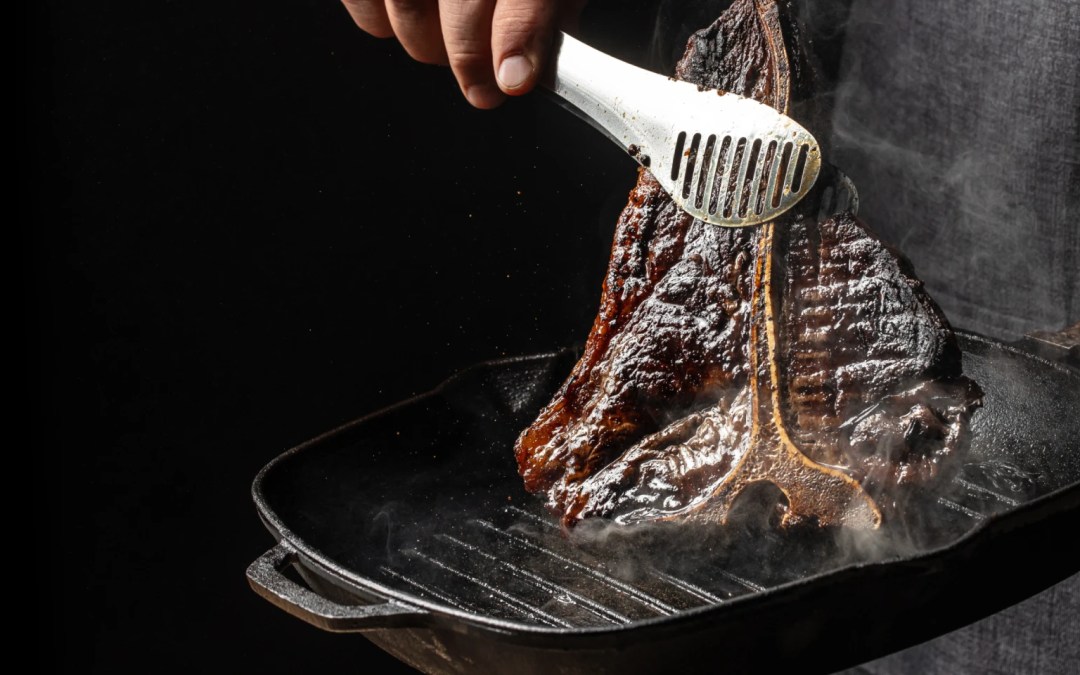
Choosing the right cut of meat is only half the recipe for a great meal. The real secret is pairing that cut with the cooking method that brings out its best flavor, texture, and tenderness. Whether you’re firing up the grill for a weekend cookout, preparing a slow-cooked family dinner, or roasting a meal for a special occasion, understanding how different cuts respond to heat can make all the difference.
“Every cut of meat has a purpose.” — Josh Lapidus
Before deciding how to cook your meat, make sure you’ve selected the best cut for your recipe. If you’re unsure where to start, explore our How to Choose the Right Cut guide for expert recommendations.
Why Cooking Methods Matter
Every cut of meat comes from a different part of the animal, which means it has its own balance of muscle, fat, and connective tissue. These characteristics determine how the meat should be cooked.
Tender cuts come from muscles that do less work and cook best over high heat for a shorter time. Cuts with more connective tissue become incredibly flavorful and tender when cooked slowly over lower temperatures. Matching the cooking method to the cut helps preserve moisture, improve texture, and bring out the natural flavor of the meat.
“I don’t see a steer out in the field doing back squats. The muscles that work the hardest naturally need more time to become tender.” — Josh Lapidus
Best Cooking Methods for Beef Cuts
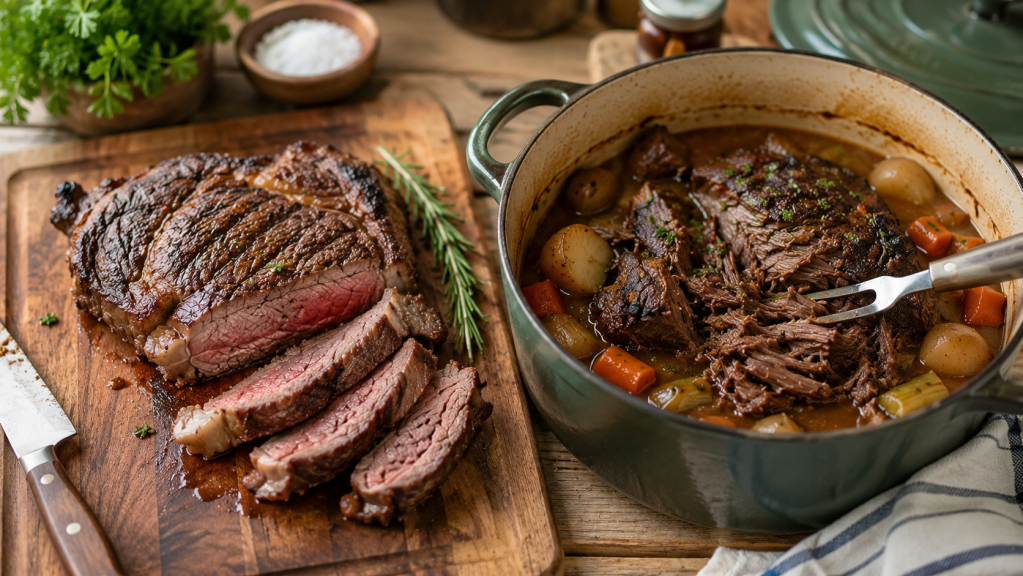
Some of the most popular beef cuts shine on the grill or in a hot skillet. Ribeye, strip steak, filet, and sirloin are naturally tender and develop a rich crust while staying juicy inside when cooked over high heat. For exceptional results on the grill, start with high-quality beef. Learn what makes Certified Angus Beef a favorite among our meat specialists and home cooks alike.
Other cuts, including chuck roast, brisket, and short ribs, benefit from patience. Slow cooking, braising, or smoking allows the connective tissue to break down, creating fork-tender meat that’s perfect for comforting family meals.
“Those tougher muscles are carrying a 1,200- to 2,000-pound animal every day. That’s why they need low-and-slow cooking to break down all that connective tissue.” — Josh Lapidus
If you’re selecting premium beef for grilling or roasting, you may also enjoy learning more about Certified Angus Beef and what makes it a popular choice for many home cooks.
Best Cooking Methods for Pork Cuts
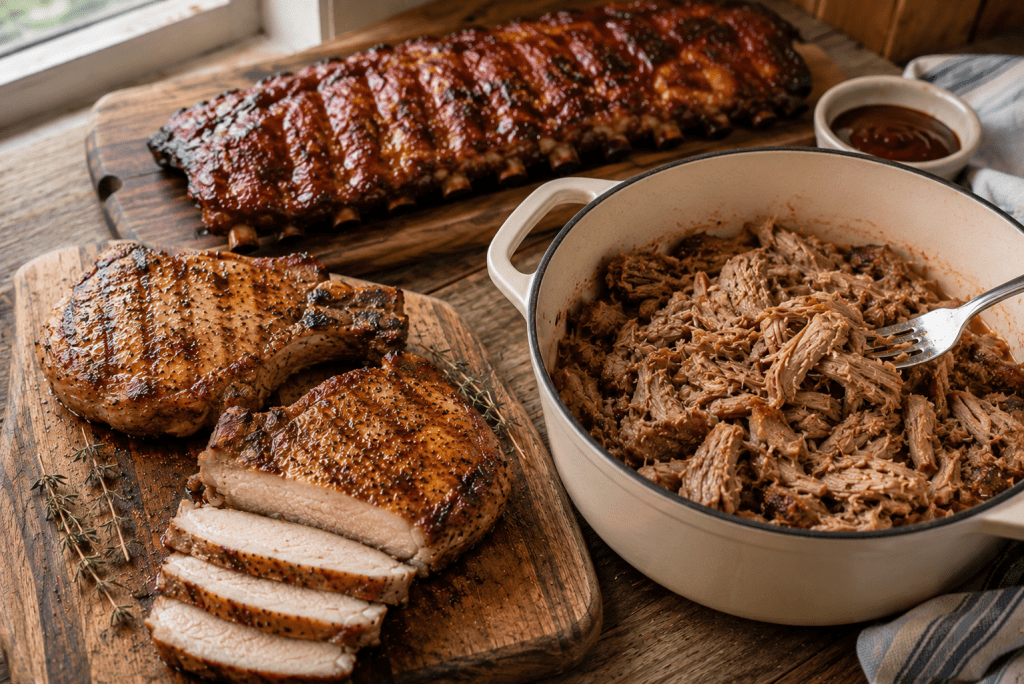
Pork offers a wide range of cooking possibilities. Pork chops and pork loin cook beautifully on the grill, in the oven, or in a skillet because they’re naturally lean and tender.
Pork shoulder, on the other hand, is ideal for low-and-slow cooking. Smoking, braising, or using a slow cooker transforms this hardworking cut into tender, flavorful meat that’s perfect for family dinners and weekend gatherings.
Ribs also benefit from gentle cooking that gives the meat time to become tender while developing deep flavor.
Best Cooking Methods for Chicken Cuts
Chicken is one of the most versatile proteins in the kitchen, but each cut performs differently.
Chicken breasts are excellent for grilling, baking, or pan-searing when cooked carefully to retain moisture. Chicken thighs and drumsticks contain more fat, making them especially forgiving on the grill, in the oven, or when slow roasted.
A whole chicken is an excellent choice for roasting, producing juicy meat with crispy skin while providing leftovers for additional meals.

Quick Guide to Cooking Methods by Cut
| Meat Cut | Best Cooking Methods |
| Ribeye | Grill, Pan-Sear |
| Strip Steak | Grill, Pan-Sear |
| Sirloin | Grill, Broil |
| Filet | Pan-Sear, Grill |
| Chuck Roast | Slow Cook, Braise |
| Brisket | Smoke, Braise |
| Short Ribs | Braise, Slow Cook |
| Pork Chops | Grill, Pan-Sear |
| Pork Shoulder | Smoke, Slow Cook |
| Pork Loin | Roast, Grill |
| Chicken Breast | Grill, Bake |
| Chicken Thighs | Roast, Grill |
| Whole Chicken | Roast |
Common Cooking Mistakes
One of the most common mistakes is using high heat for cuts that need time to become tender. Likewise, premium steaks can lose their texture when cooked too long using slow-cooking methods.
“Instead of taking a cold steak straight from the refrigerator to a screaming-hot pan, let it break the chill first. The slower you bring meat to temperature, the better the final result.” — Josh Lapidus
It’s also important to avoid overcooking lean cuts, which can quickly become dry. Paying attention to the characteristics of each cut helps you achieve better results while getting the most value from every purchase.
Once you’ve mastered the cooking method, complete your meal with side dishes, wines, and serving ideas from our Meat Pairings and Meal Ideas guide.
“Meat does not like peaks and valleys in temperature.” — Josh Lapidus
Let Meat Rest Before Serving
One of the simplest ways to improve any steak or roast is to let it rest before slicing. Allowing meat to rest gives the juices time to redistribute throughout the cut instead of running onto the cutting board. Even a few minutes can make a noticeable difference in tenderness and flavor.
“If you slice into it while it’s still hot, those juices are going to find the easiest way out. Let it rest, and they’ll redistribute throughout the steak.” — Josh Lapidus
Make Every Meal a Success
If you’re ever unsure which cut is best, stop by your local Piggly Wiggly Birmingham. Our knowledgeable meat department team is happy to answer questions, recommend cuts based on your cooking plans, and help you bring home quality meat for every occasion.
A good grilling experience starts with good ingredients. A great one starts with the best raw materials.” — Josh Lapidus
Every cut has its strengths, and the right cooking method can bring out the best flavor and texture. As you try new recipes and techniques, don’t hesitate to ask questions at the meat counter. Get to know the experts behind our service in Meet Birmingham’s In-House Butchers & Meat Specialists, where you’ll learn how our experienced butchers help Birmingham shoppers choose the right cuts with confidence.