


Grocery shopping comes with more choices than ever before. From USDA beef grades to “organic,” “natural,” and “cage-free” labels, it’s easy to wonder what these terms actually mean—and whether they make a difference for your family or your budget.
At Piggly Wiggly Birmingham, we believe labels should help you shop with confidence, not create confusion. That’s why our team is committed to helping customers understand what they’re buying, whether you’re planning a weeknight dinner, a backyard cookout, or a holiday gathering.
Why Food Labels Matter
Food labels provide helpful information, but not every claim carries the same meaning. Some labels are backed by strict USDA standards, while others simply describe how a product was processed or marketed.
Understanding these differences helps you compare products more confidently and choose what best fits your family’s needs, cooking plans, and budget.
If you ever have questions, our in-house meat specialists are always happy to help. Learn more about our team in Meet Birmingham’s In-House Butchers & Meat Specialists.
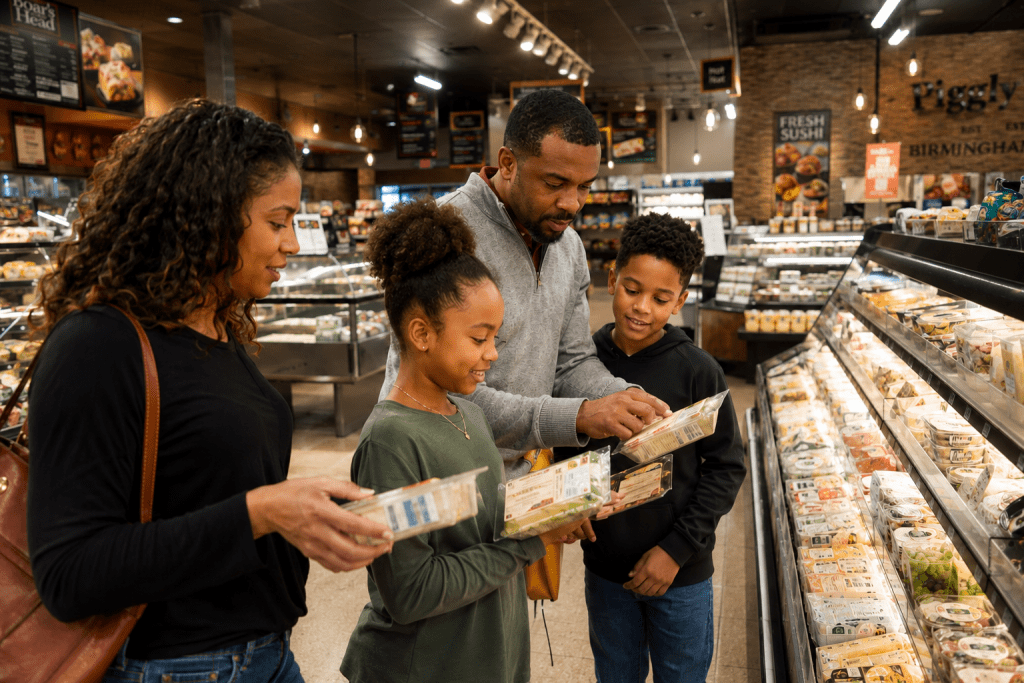
USDA Beef Grades Explained
“Marbling is one of the first things I look for because that’s where tenderness and flavor come from.” — Josh Lapidus
One of the most common labels shoppers see is the USDA beef grade. These grades evaluate the amount of marbling—the small streaks of fat within the meat—which contributes to tenderness, juiciness, and flavor.
USDA Prime – USDA Prime offers the highest level of marbling and is often chosen for special occasions, premium steaks, and grilling.
USDA Choice – USDA Choice provides an excellent balance of quality and value, making it a favorite for everyday meals. It delivers great flavor while remaining budget-friendly for many families.
USDA Select – USDA Select is leaner with less marbling than Prime or Choice. It’s a great option for marinades, slow-cooked recipes, and shoppers looking for a more economical cut.
If you’re interested in premium beef options, read our Spotlight: Certified Angus Beef:
Don’t Judge Meat by Color Alone
According to Piggly Wiggly Birmingham meat specialist Josh Lapidus, one of the biggest misconceptions is that the brightest red steak is always the freshest or highest quality.
“The reddest piece of meat isn’t necessarily going to be the best one in the counter. I like to shop for marbling.” — Josh Lapidus
The color of fresh beef naturally changes as it is exposed to oxygen. Vacuum-sealed beef often appears darker because it hasn’t been exposed to air yet, while areas where meat touches inside the package may also appear darker. Neither necessarily indicates lower quality.
Instead of focusing only on color, Josh recommends looking for:
- Consistent marbling throughout the cut
- Proper trimming with minimal excess connective tissue
- A cut that matches your cooking method
Choosing the right cut often has a bigger impact on your meal than choosing the reddest package.
“Pick the wrong cut, and you might think the recipe failed when it was really the cut of meat.” — Josh Lapidus
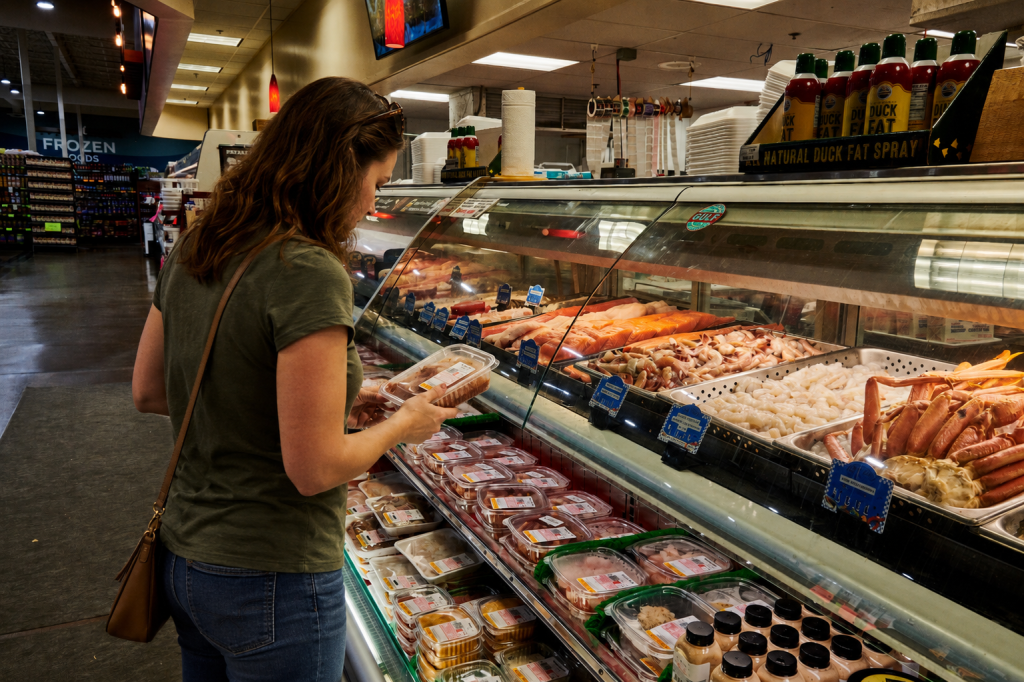
Compare meat labels with confidence at Piggly Wiggly Birmingham. Our knowledgeable meat specialists are available to help you understand USDA grades, product labels, and select the best cuts for your recipes and budget.
Organic vs. Natural: What’s the Difference?
These two labels are often confused, but they don’t mean the same thing.
| USDA Organic | Natural |
| USDA-certified production standards | Limited regulatory definition |
| No synthetic pesticides or GMOs | No artificial ingredients or added colors in the product |
| Strict certification requirements | Does not automatically mean organic |
Neither label is universally “better.” Many shoppers choose one over the other based on their preferences, priorities, and budget.
Understanding Egg and Poultry Labels
You’ll also find several common poultry and egg labels in the grocery store.
- Cage-Free: Hens are not kept in cages and can move around inside a barn.
- Free-Range: Birds have some outdoor access.
- Pasture-Raised: Birds generally have greater access to outdoor pasture, though standards vary by certification.
Knowing what these labels mean helps you compare products based on your own preferences rather than marketing alone.
Grass-Fed vs. Grain-Fed Beef
Grass-fed and grain-fed beef each offer different eating experiences.
Grass-fed beef often has a leaner texture and a more robust flavor. Grain-fed beef typically develops more marbling, creating a richer, more tender steak.
Neither option is right for everyone—the best choice depends on your taste, cooking style, and budget.
What Expiration Dates Really Mean
Date labels can also be confusing.
- Sell By: Helps stores manage inventory.
- Best By: Indicates when quality is expected to be at its best.
- Use By: The manufacturer’s recommended date for peak quality.
These dates don’t always indicate food safety. Proper storage and safe food handling remain just as important.
Shop Smarter with Local Expertise
At Piggly Wiggly Birmingham, shopping is about more than filling your cart. It’s about having trusted experts available when you need guidance.
Josh Lapidus believes the right cut can make all the difference. Choosing the correct roast, steak, or grilling cut helps ensure your recipe turns out the way it should, and our meat specialists are always ready to answer questions and recommend options for your meal.
Whether you’re comparing USDA beef grades, choosing between organic and natural products, or looking for the perfect steak for your next cookout, Piggly Wiggly Birmingham is here to help.
Visit your neighborhood Piggly Wiggly Birmingham to explore quality products, speak with our knowledgeable meat specialists, and find the right options for your family. For even more savings, download ThePigBham App to access digital coupons, weekly specials, and shopping tips while you’re in the store.