



By Sophie Dolan MS, RDN, LD
Being adequately hydrated is more than just drinking enough water. It includes getting enough fluids and getting the proper balance of electrolytes. Given the heat of summer, it’s a great time to make sure you are staying hydrated! Most of us, assuming we are eating well and eating enough, are actually meeting some of our hydration needs through our diets. Not only does food provide calories and macronutrients, it also provides electrolytes and some fluid (think juicy watermelon!). Food consumption alone doesn’t provide enough fluids, so it’s important to make sure you’re drinking plenty of water each day. The average healthy adult needs 64 ounces of water per day — that’s about 8 cups or 3.5 standard-size water bottles. However, everyone’s hydration needs are unique and may vary based on your health, activity level, and climate.
Benefits of Staying Well Hydrated
When you’re properly hydrated, you’ll notice benefits such as:
- Better digestion
- More energy
- Normalized blood pressure
💡 Fun Fact: You can gauge your hydration status by the color of your urine. Aim for pale yellow to clear!
Tips to Stay Hydrated
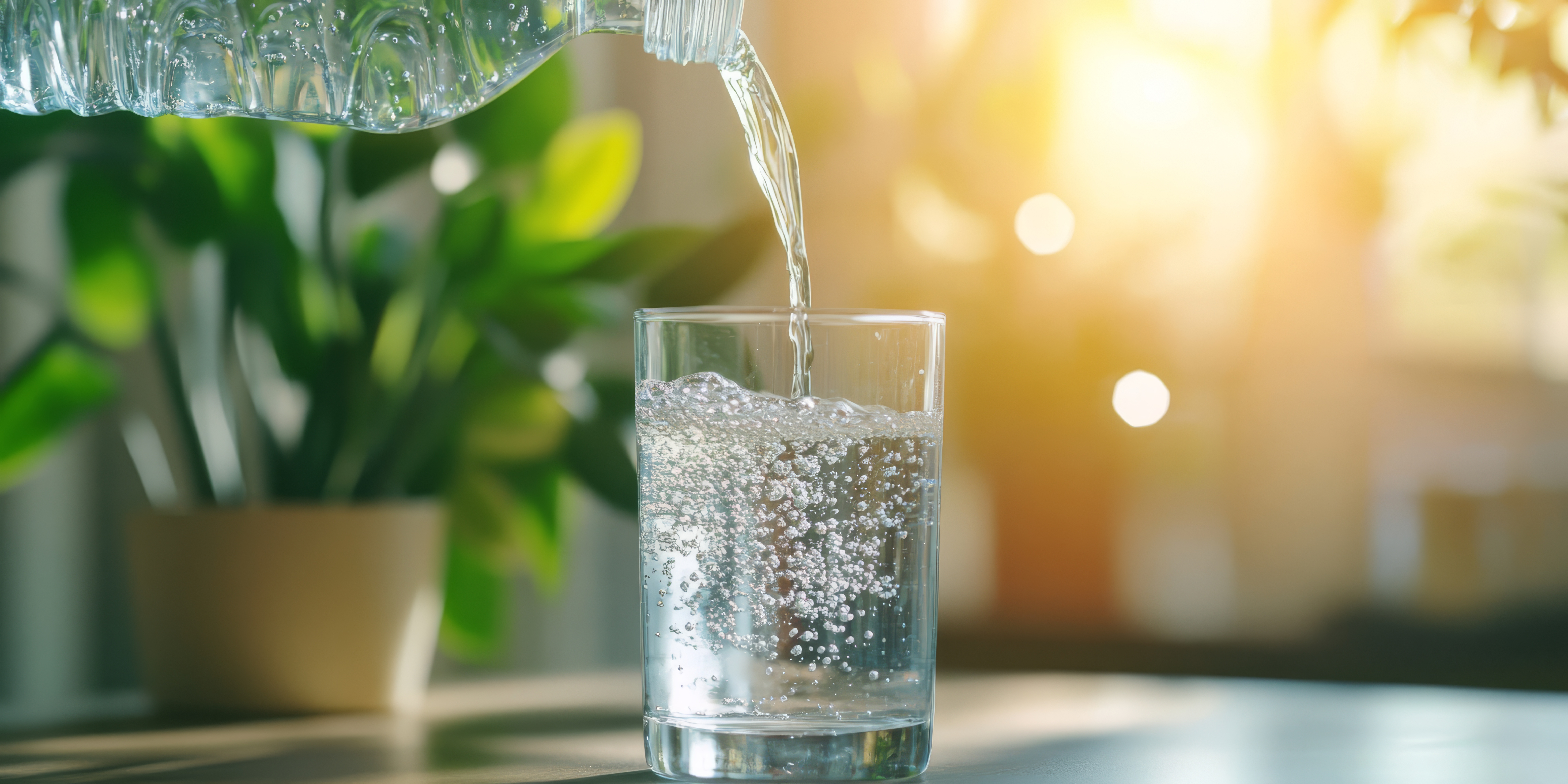
Make Water Your Go-To
Water should be your primary beverage throughout the day since it has no added sugar or artificial ingredients. Try these simple tips to boost your intake:
- Invest in a good water bottle and carry it with you.
- Use a straw to make sipping easier.
- Add natural flavor with lemon, lime, cucumber, or basil.
- Figure out if you prefer water super cold or room temp — then stick with what works.
- Start early in the day so you aren’t playing catch-up later.
Other Hydrating Beverages
While water is best, other beverages can help you meet your hydration goals:
- Milk
- Tea
- 100% fruit juice
- Smoothies
- Seltzer waters
- Electrolyte drinks
- Coconut water
Tip: Be mindful of added sugars that often sneak into juice, smoothies, and electrolyte drinks.
Hydrating Foods to Add to Your Cart
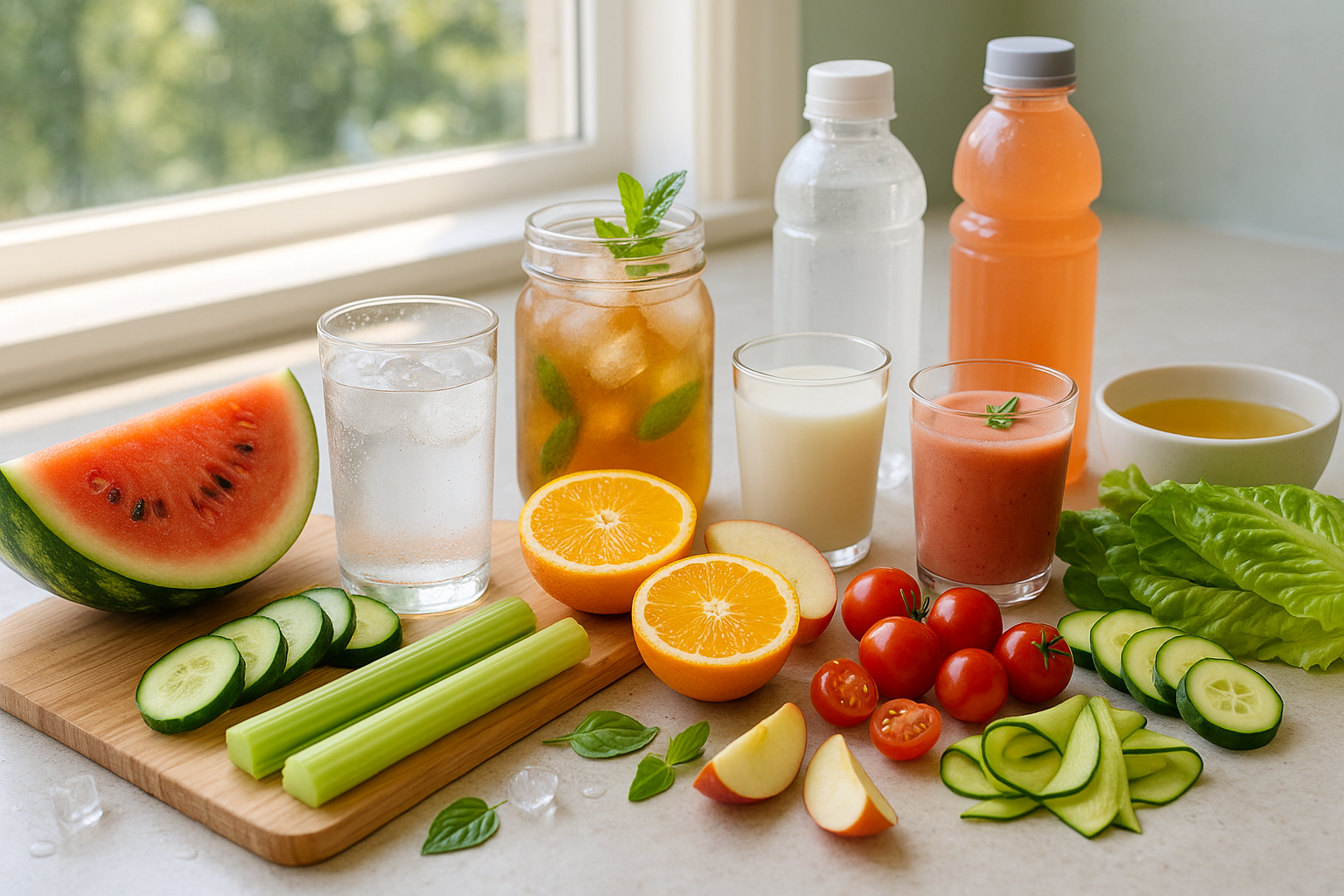
Don’t forget that foods help keep you hydrated, too! Add these high water content foods to your meals and snacks:
- Watermelon
- Tomato
- Milk
- Cucumber
- Orange
- Apple
- Celery
- Lettuce
- Zucchini
- Soups & broth
The Role of Electrolytes in Hydration
Water alone won’t fully hydrate you — your body also needs electrolytes, which are minerals that carry an electric charge and are found in many foods.
Sodium
- What it does: Helps the body retain fluid
- Sources: Salty snacks like chips and pretzels, olives, pickles, cured meats
Magnesium
- What it does: Supports strong bones, muscle function, and nerve health
- Sources: Pumpkin seeds, almonds, spinach
Potassium
- What it does: Helps manage blood pressure
- Sources: Potatoes, tomato paste, lentils, dates, avocado, banana
Chloride
- What it does: Supports nerve functioning
- Sources: Mostly from table salt (sodium chloride)
Calcium
- What it does: Keeps bones and teeth strong
- Sources: Milk, cheese, yogurt, fortified non-dairy milk, tofu, dark leafy greens
Phosphorus
- What it does: Builds healthy bones and teeth
- Sources: Yogurt, almonds, pumpkin seeds, tempeh
When to Use an Electrolyte Drink
Sometimes you may need to quickly replenish electrolytes, such as after intense exercise, excessive sweating, or illness (like diarrhea or vomiting). Luckily, you’ll find excellent options at your local Piggly Wiggly, including:
- LivPur
- VitaEra
- Sap’s
- Biolyte
- Liquid I.V.
Stay Cool, Stay Hydrated
Next time you shop at your neighborhood Piggly Wiggly, stock up on hydrating foods and beverages to keep you feeling your best this summer.
Important Note
As always, please work with your healthcare provider to determine what hydration practices are best for you.
Follow Me for More Nutrition Tips!
Follow me on Instagram @sophiedolan.rd and right here on thepigbham.com for professional yet approachable guidance to enhance your quality of life through nourishing and enjoyable meals. You can find my professional practice at www.sophiedolannutrition.com.