


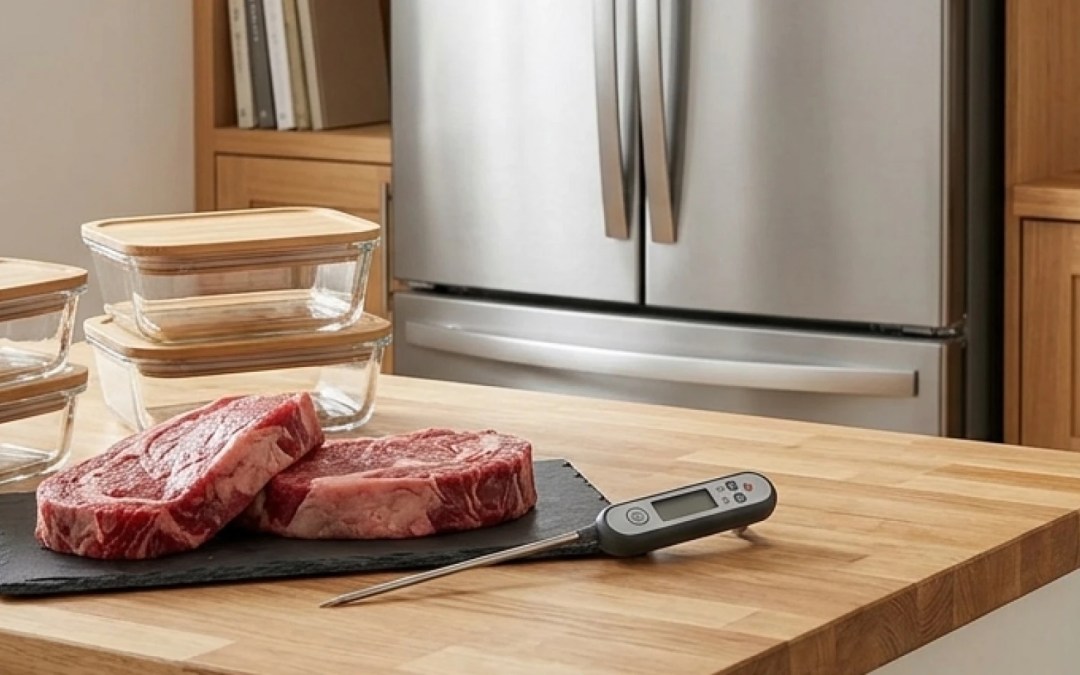
When you bring home fresh meat, a few simple habits can make a big difference in keeping your food safe, reducing waste, and helping every meal taste its best. Whether you’re planning a backyard cookout, preparing weeknight dinners, or stocking your freezer for future meals, knowing how to properly handle and store meat is an essential part of every home kitchen.
At Piggly Wiggly Birmingham, we’re committed to offering fresh, quality meats for your family. These practical meat safety tips can help you protect your groceries from the moment you leave the store until it’s time to serve dinner.
Start with Fresh Meat
Safe food handling begins at the grocery store. When selecting meat, look for products that are cold to the touch, properly packaged, and within the sell-by or use-by date.
“I would not put anything out in that case that I would not take home to my family.” — Josh Lapidus
Keep these shopping tips in mind:
- Choose meat near the end of your shopping trip.
- Separate raw meat from produce and ready-to-eat foods in your cart.
- Place meat in the plastic bags provided in the meat department to help prevent leaks.
- Go directly home after shopping whenever possible.
If your drive home is longer than 30 minutes during Alabama’s warmer months, consider using an insulated cooler or insulated grocery bag to help keep meat cold.
Not sure which cut is right for your next meal? Before you shop, take a look at our How to Choose the Right Cut guide to learn which cuts work best for grilling, roasting, slow cooking, and more.
Refrigerate Meat Promptly
One of the most important food safety rules is to refrigerate meat as soon as possible. Raw meat should be refrigerated within two hours of purchase. If the outdoor temperature is above 90°F, refrigerate it within one hour. Keep your refrigerator at 40°F or below and your freezer at 0°F. An inexpensive appliance thermometer can help you verify the correct temperature.

How Long Does Fresh Meat Last?
Ever wonder why some cuts stay tender while others are best cooked low and slow? Our Meat Science guide explains how muscle structure, marbling, and connective tissue affect freshness, texture, and cooking results.
“The reddest piece of meat isn’t necessarily going to be the best one in the counter. I like to shop for marbling.” — Josh Lapidus
Refrigerator Storage
- Ground beef, pork, turkey, or chicken: 1–2 days
- Steaks, roasts, and pork chops: 3–5 days
- Fresh poultry: 1–2 days
- Cooked meat and leftovers: 3–4 days
If you won’t cook the meat within these timeframes, freeze it while it’s still fresh.
Freezing Meat for Longer Storage
Freezing helps preserve quality and reduce food waste.
For best results:
- Freeze meat before the recommended refrigerator storage time expires.
- Leave meat in its original packaging for short-term freezing.
- For longer storage, wrap packages in freezer paper or heavy-duty freezer bags to help prevent freezer burn.
- Label every package with the type of meat and the freezing date.
Although frozen meat remains safe indefinitely when kept continuously frozen, quality is best when used within the recommended storage periods.
Label frozen packages with the cut and date before placing them in the freezer. This makes it easier to use older packages first and helps reduce food waste.
Store Raw Meat Safely
Proper refrigerator organization helps prevent cross-contamination. Store raw meat on the bottom shelf in a tray or leak-proof container so juices cannot drip onto fruits, vegetables, dairy products, or prepared foods.
Keep raw meat separate from foods that are ready to eat.
Prevent Cross-Contamination
Cross-contamination is one of the easiest food safety problems to prevent.
Always:
- Wash your hands with soap and warm water before and after handling raw meat.
- Use separate cutting boards for raw meat and fresh produce.
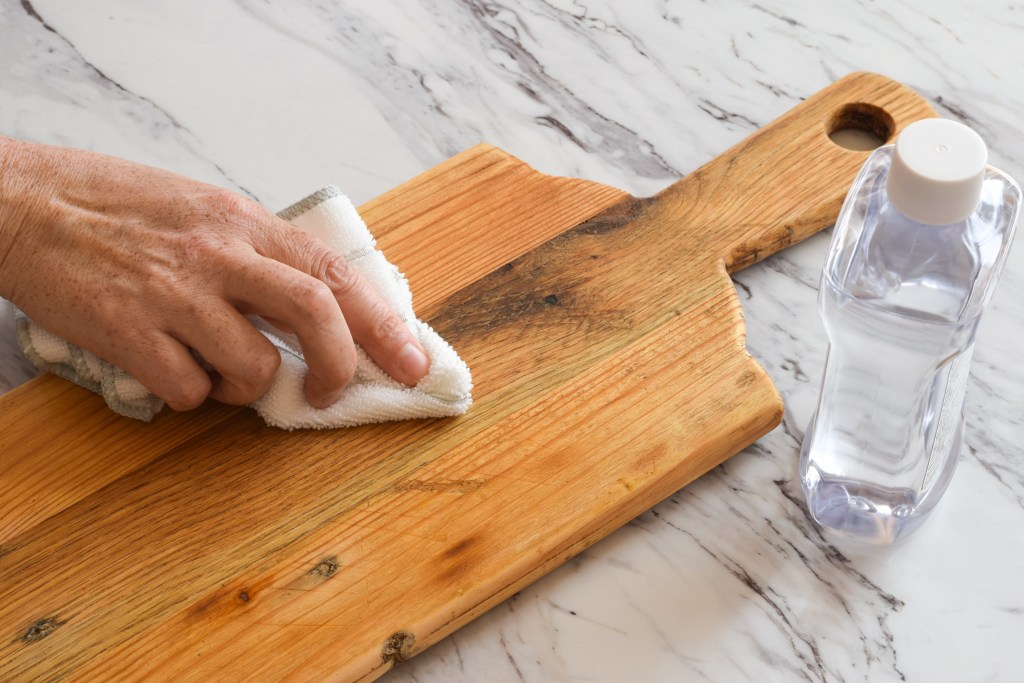
- Clean knives, countertops, and utensils with hot, soapy water after use.
- Never place cooked meat back onto the same plate that previously held raw meat.
These simple habits help keep harmful bacteria from spreading throughout your kitchen.
Safe Ways to Thaw Meat
Never thaw meat on the kitchen counter. Instead, use one of these USDA-recommended methods:
- Refrigerator Thawing – This is the safest option. Place frozen meat on a plate or tray to catch any juices while it thaws.
- Cold Water Thawing – Submerge sealed packages in cold water, changing the water every 30 minutes until thawed.
- Microwave Thawing – Use the defrost setting if you’re planning to cook the meat immediately afterward.
Know the Safe Cooking Temperatures
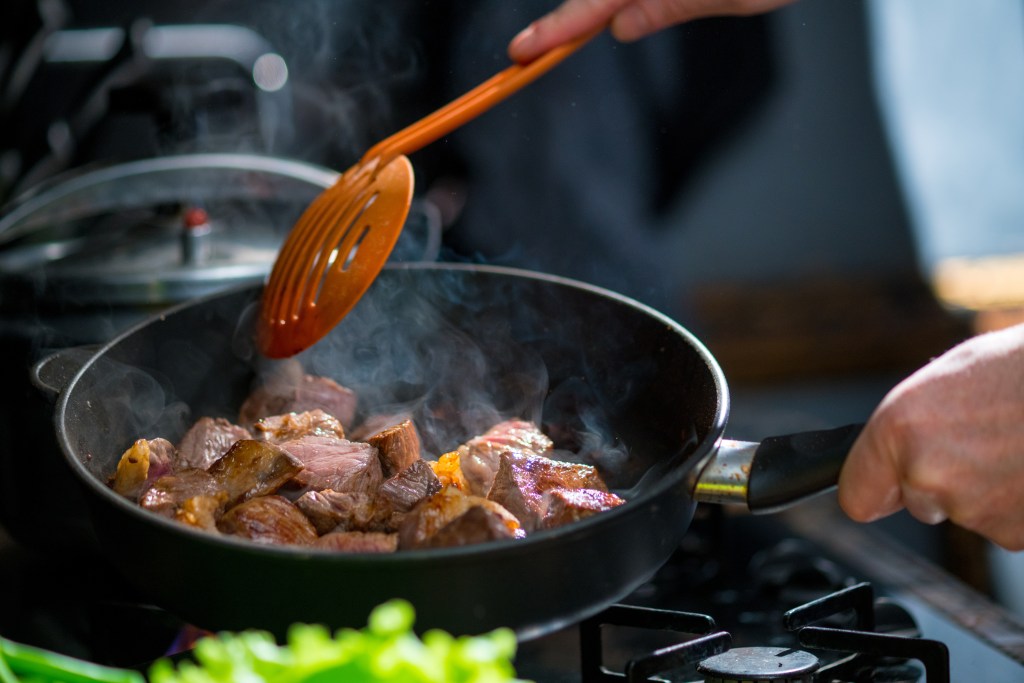
Cooking meat to the proper internal temperature helps destroy harmful bacteria. Use a food thermometer to verify doneness.
General temperature guidelines include:
- Beef, pork, lamb, and veal steaks, chops, and roasts: 145°F with a three-minute rest
- Ground meats: 160°F
- Poultry: 165°F
- Leftovers and casseroles: 165°F
“If you slice into it while it’s still hot, those juices are going to find the easiest way out. Let it rest, and they’ll redistribute throughout the steak.” — Josh Lapidus
Cooking meat safely is only part of creating a great meal. Different cuts perform best with different cooking techniques. For grilling, roasting, smoking, braising, or slow cooking, explore our Cooking Methods by Cut guide to get the most flavor and tenderness from every purchase.
How to Tell if Meat Has Gone Bad
Fresh meat should have a clean appearance and mild smell.
Discard meat if you notice:
- A sour or unpleasant odor
- Sticky or slimy texture
- Significant discoloration beyond normal color changes
- Damaged or leaking packaging
- Storage beyond recommended time limits
When in doubt, throw it out. Food safety is always worth more than the cost of replacing a package of meat.
Make Freshness Last Longer
A few simple habits can help maintain freshness:
- Plan meals before shopping.
- Freeze meat you won’t use within a few days.
- Avoid repeatedly thawing and refreezing meat.
- Keep refrigerator doors closed as much as possible.
- Rotate older packages to the front so they’re used first.
These small steps can reduce food waste while helping every meal taste its best.
Shop Fresh with Piggly Wiggly Birmingham
Our experienced meat department team is passionate about helping customers make great choices every day. Get to know the people behind the counter in Meet Birmingham’s In-House Butchers & Meat Specialists, where you’ll learn how their knowledge and customer service help families find the perfect cuts for every occasion.
If you’re looking for exceptional marbling, tenderness, and flavor, read our Spotlight: Certified Angus Beef guide to learn what makes Certified Angus Beef® a favorite for everything from steaks to holiday roasts.
Visit your neighborhood Piggly Wiggly Birmingham for a wide selection of fresh beef, pork, chicken, turkey, and other quality meats. If you have questions about selecting the right cut or storing it at home, our meat department associates are always happy to help.
Following these meat safety, storage, and freshness tips helps protect your family, reduce food waste, and ensure your favorite meals are as delicious as they are safe.