


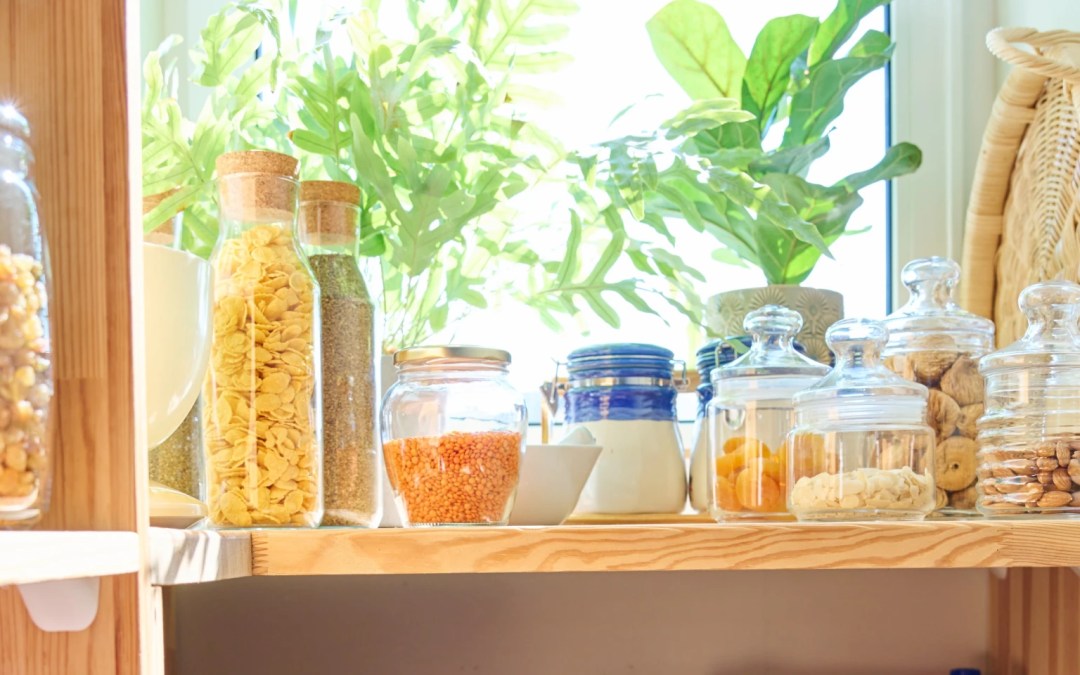
A useful school-year pantry is less about stocking every possible ingredient and more about keeping the shelf-stable foods your household regularly uses from running out.
For Birmingham families managing school mornings, packed lunches, afternoon activities, and weeknight dinners, a quick pantry check can make the next grocery trip easier. Look at what is running low, notice what your household uses most, and replenish those items in amounts that make sense for your routine.
This guide focuses specifically on shelf-stable pantry supplies and replenishment. For refrigerated foods used in packed lunches, see lunchbox staples to keep on hand. For a broader look at school-year groceries and household needs, use the Back-to-School shopping checklist.
Build Your Pantry Around What You Actually Use
There is no single list of school-year pantry essentials that works for every household.
One family may regularly use oats, cereal, crackers, pasta, rice, and canned beans. Another may rely more on tortillas, dried fruit, canned vegetables, broths, or different cooking basics.
The most useful pantry supplies tend to be foods that:
- Your household uses regularly
- Stay shelf-stable until opened according to their package directions
- Work in more than one breakfast, lunch, snack, or dinner
- Pair easily with the fresh and refrigerated groceries you normally buy
- Are easy to see when you are checking what needs replenishing
Instead of asking, “What should every family have?” ask, “What do we use often enough that we do not want to unexpectedly run out?”
That question creates a much more useful refill list.
School-Year Pantry Essentials to Consider
Rather than maintaining separate lists for every meal, keep one manageable group of shelf-stable ingredients that reflects the way your household eats.
Depending on your routine, that might include:
Breakfast and Snack Basics
- Oats or another shelf-stable breakfast grain
- Breakfast cereal
- Dried fruit
- Crackers
- Nut or seed spreads appropriate for your household
- Shelf-stable toppings
- Familiar packaged snacks
For more ways to put breakfast staples to use, see 10-minute breakfast ideas for busy school mornings.
Lunch-Friendly Pantry Supplies
- Crackers
- Tortillas or other shelf-stable meal bases
- Dried fruit
- Nut or seed spreads where permitted
- Shelf-stable sides or snacks
- Condiments that can be stored in the pantry until opened, according to package directions
These foods can support packed lunches, but this article intentionally stops at the pantry shelf. Refrigerated lunchbox ingredients, cold holding, and lunch packing belong in the separate lunchbox restock guide.
Dinner Starters and Cooking Basics
- Pasta
- Rice or other grains
- Canned beans
- Canned vegetables
- Shelf-stable sauces
- Broths or stocks
- Frequently used seasonings
- Other shelf-stable cooking basics your household regularly uses
The goal is not to keep every item on this list. Choose the ones that repeatedly help your household get food on the table.
Choose Staples That Can Do More Than One Job
A smaller pantry can still support a busy school week when several ingredients have more than one use.
For example:
- Oats: Breakfast bowls, baked breakfast recipes, or other familiar oat-based foods
- Crackers: Packed-lunch sides or after-school snacks
- Tortillas: Lunch wraps or simple meal bases
- Rice or grains: A base for beans, vegetables, or other dinner components
- Pasta: A simple dinner base paired with a familiar sauce or other ingredients
- Canned beans: Sides, lunch components, or dinner ingredients
- Dried fruit: Breakfast toppings, packed-lunch additions, or snacks
You do not need to buy each ingredient for all of these purposes. The point is to notice which shelf-stable foods naturally appear in several parts of your household’s routine. Those are often the pantry items worth checking first.

Make family meals easier with versatile pantry staples that pair naturally with fresh groceries. Stock up on oats, rice, pasta, beans, dried fruit, and tortillas to create convenient breakfasts, lunches, snacks, and dinners throughout the week.
A Simple Pantry Refill Checklist
Use this as a quick reminder while looking through the pantry. Skip any category your household does not use.
Check First
- Breakfast grains and cereal
- Crackers and shelf-stable snacks
- Tortillas or other shelf-stable meal bases
- Dried fruit
- Nut or seed spreads used by your household
- Pasta
- Rice and other grains
- Canned beans
- Canned vegetables
- Sauces
- Broths or stocks
- Seasonings and frequently used cooking basics
Before You Add Something to the Grocery List
Ask:
- Are we actually running low?
- Is there already an unopened package?
- Will we use this before the next regular grocery trip?
- Did we use this item regularly during the last week or two?
- Does the amount we are buying match how quickly our household uses it?
That is the entire refill system: check, confirm, add, and adjust.
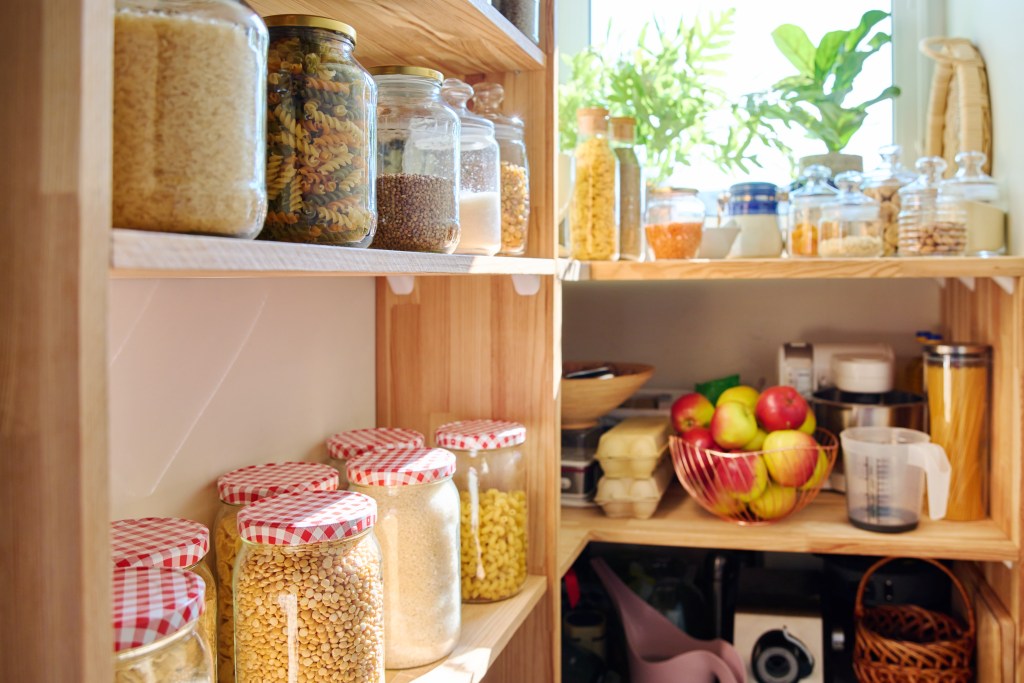
Prepare for busy school weeks with an organized pantry stocked around the foods your family actually uses. Keep versatile staples visible and easy to reach so breakfasts, lunches, snacks, and weeknight meals come together more conveniently.
Know When This Pantry Check Is Not Enough
This five-minute routine is intentionally narrow.
If you are checking deli foods, cheese, yogurt, produce, eggs, cold packs, or other refrigerated lunch supplies, use the lunchbox restock guide instead.
If you are reviewing fresh groceries, household supplies, school needs, and the kitchen more broadly, continue with the Back-to-School shopping checklist.
Keeping those jobs separate makes the pantry check faster: this article is simply about knowing which shelf-stable foods need replenishing.
Frequently Asked Questions About Pantry Replenishment
How often should I check school-year pantry supplies?
A quick check before your regular grocery trip is often enough. Frequently used items may need attention more often, while slower-moving staples may only need occasional replenishment. Let your household’s actual use determine the schedule.
Should I buy a backup of every pantry staple?
Not necessarily. Backups can make sense for foods your household uses quickly or would find inconvenient to run out of, but buying extras of slower-moving foods can create clutter. Base backup quantities on how quickly your household uses each item and how often you normally shop.
What should I do with pantry foods my family stopped using?
Avoid automatically replacing them. If the food is still safe and within its appropriate use period, look for an opportunity to use it before buying another package. Your pantry refill list can change as your household’s routines and preferences change.
Refill the Pantry Before Your Next Grocery Trip
Before your next grocery trip, give your pantry five minutes.
Check the shelf-stable foods your household uses most. Look inside open packages, check for backups, add what is genuinely running low, and adjust quantities based on how quickly your family uses each item.
When you are ready to replenish those supplies, check the Piggly Wiggly Birmingham weekly ad for current advertised offers, then use the Piggly Wiggly Birmingham store locator to find a convenient location. Product selection can vary by store.