


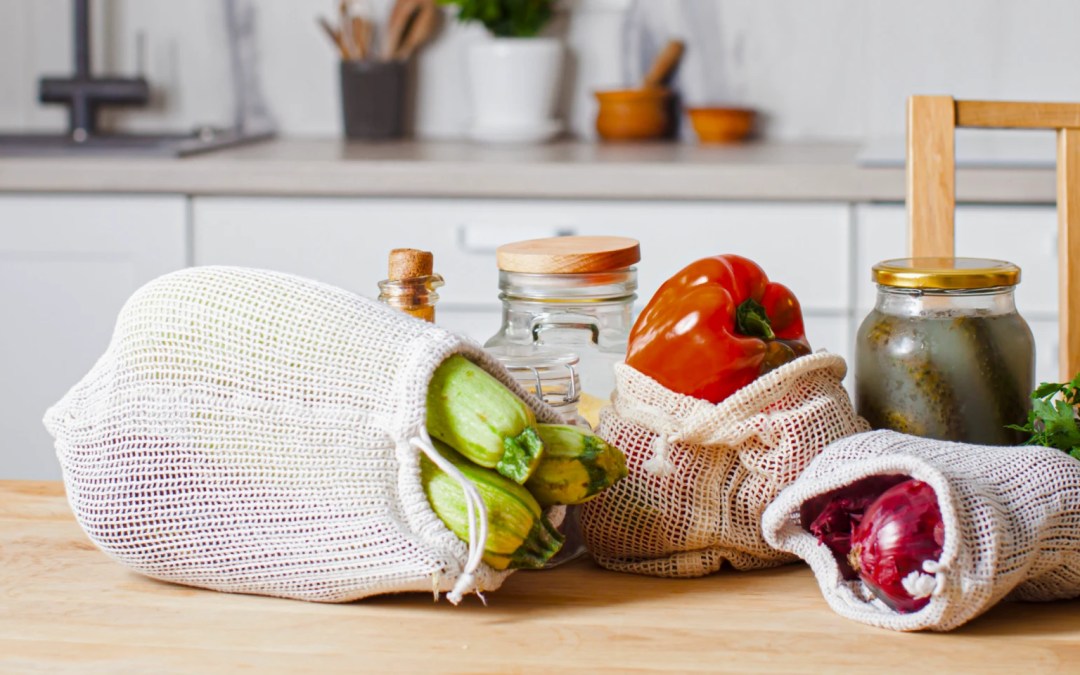
Back-to-School season brings a shift in routines, from quicker mornings and packed lunches to afternoon snacks and school-night dinners. For Birmingham families, planning everyday grocery needs ahead of time can make the transition easier to manage.
This guide helps you build one practical shopping list across breakfast, lunch, snacks, dinner, and household essentials. Before you begin, check your refrigerator, freezer, and pantry, then focus on foods your household already knows it will use. Add or remove items and adjust quantities based on your family’s routine.
Before You Shop: Check What You Already Have
A quick kitchen inventory can help you identify what the upcoming school week actually requires and avoid adding unnecessary duplicates to your cart.
Before making your final list:
- Check the refrigerator, freezer, and pantry.
- Note staples already on hand.
- Think through the breakfasts, lunches, snacks, and dinners you expect to need.
- Add quantities where they make the list more useful.
- Remove categories or ingredients that do not fit your household.
Once you have that foundation, use the sections below as prompts for building your personalized list.
Need a more thorough kitchen refresh? Our Back-to-School kitchen reset checklist walks through clearing out, checking, cleaning, organizing, setting up, and restocking the kitchen for busy school routines.
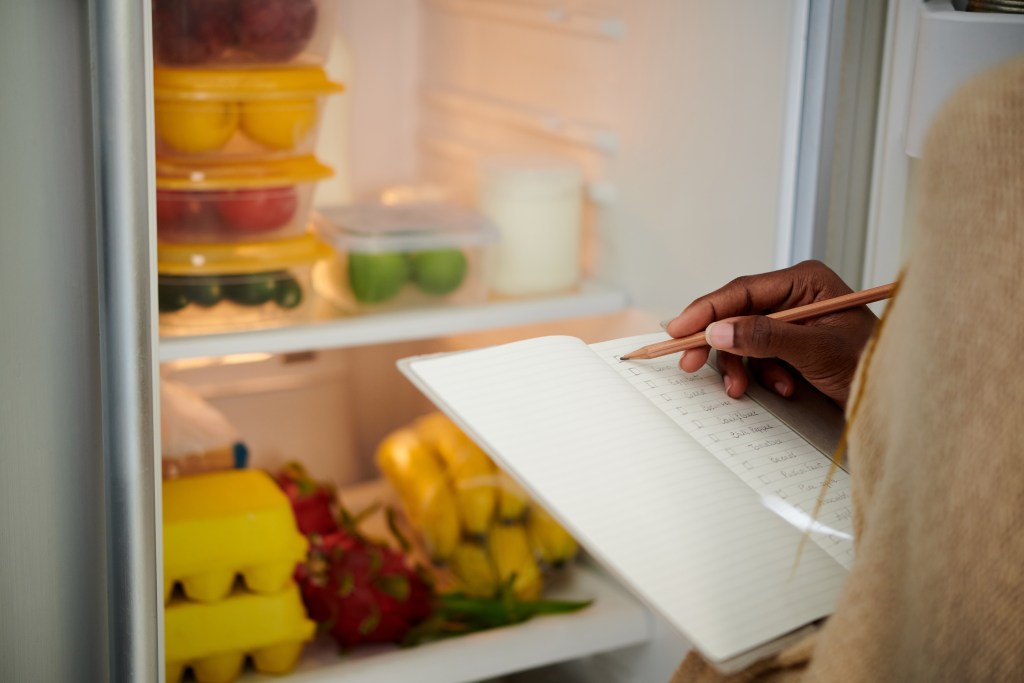
Check your refrigerator, freezer, and pantry before you shop to avoid duplicate purchases, reduce food waste, and build a practical grocery list for busy school-week meals and snacks.
Breakfast Essentials for Busy School Mornings
Having a few dependable breakfast staples on hand can make busy mornings easier without requiring a complicated meal plan.
Depending on your family’s routine, your list might include:
- Fresh fruit
- Bread, bagels, English muffins, or other bakery staples
- Cereal
- Oats
- Yogurt or other dairy or fortified alternatives
- Eggs
- Spreads
- Frozen breakfast options
- Pantry toppings or add-ins
Look for ingredients that can work beyond breakfast, too. Fruit and yogurt may double as snacks, while bread, eggs, and spreads can have uses elsewhere during the week.
Need ideas for using these staples? Our 10-minute breakfast ideas focuses on quick options for mornings when there is little time to prepare breakfast.
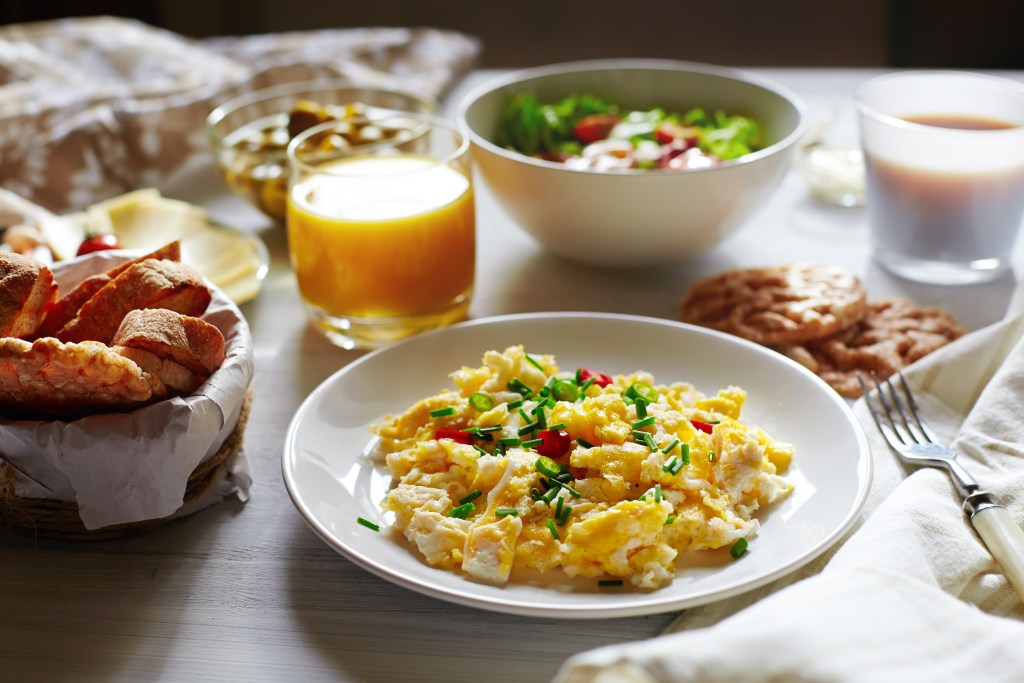
Stock versatile breakfast essentials such as eggs, bread, fruit, yogurt, and pantry staples to make quick, satisfying school-morning meals easier to prepare.
Lunchbox Staples to Keep in the Rotation
For packed lunches, start with flexible ingredients that can be combined in different ways throughout the week.
Consider:
- Bread and wraps
- Deli or other ready-to-use proteins
- Cheese and refrigerated lunch ingredients
- Fresh fruit
- Fresh vegetables
- Crackers or grain-based sides
- Spreads and dips
- Pantry sides
- Refrigerated or frozen lunch items
- Lunch containers or cold packs, if replacements are needed
Instead of buying ingredients for a completely different lunch every day, look for practical overlap. Bread and wraps can support multiple combinations, while fruits and vegetables can work in lunches and snacks.
Need a more detailed lunch plan? Lunchbox staples to keep on hand helps with building a dependable lunch rotation, while fresh produce for school lunches and snacks can help you choose versatile fruits and vegetables.

Keep versatile lunchbox staples such as bread, proteins, cheese, fruit, vegetables, and easy sides on hand to make packing school lunches simpler throughout the week.
Snacks for School and After School
Think about where snacks will be eaten before adding them to the list. What works for a packed school snack may differ from what is convenient to serve at home after school.
Possible categories include:
- Whole fruit
- Fresh vegetables
- Refrigerated snack options
- Crackers and grain-based foods
- Protein-containing snacks
- Convenient pantry or grab-and-go items
- Household favorites
School policies, dietary needs, allergies, age, and individual preferences can all affect what belongs on this part of the list.
Looking for more specific snack ideas? Lunchbox snack ideas focuses on options for packed school days, while easy after-school snacks addresses the different needs of busy afternoons.

Separate School Snacks From After-School Needs
Think about where each snack will be eaten before adding it to the grocery list. A packed school snack may require different packaging or temperature considerations than a snack served at home.
After-school foods may also overlap with breakfast or lunch ingredients already on your list. Fruit, vegetables, crackers, spreads, and refrigerated foods, for example, may work at more than one point in the day depending on your family’s preferences.
For additional inspiration, explore our lunchbox snack ideas or easy after-school snacks. Our guide to fresh produce for school lunches and snacks can also help with produce planning.
School-Night Dinner Essentials
For dinners, think in terms of versatile building blocks rather than trying to turn this grocery guide into a five-night meal plan.
Depending on what you expect to prepare, consider:
- Proteins
- Fresh or frozen vegetables
- Rice and other grains
- Pasta
- Potatoes or other starches
- Cheese or other dairy ingredients
- Sauces
- Canned beans
- Broths
- Seasonings
- Frozen backup components
Ingredients that can contribute to several dinners can help keep the overall list focused. For example, a vegetable might work alongside a protein one night and with pasta or rice later in the week.
Want the actual meals planned out? Five easy school-night dinners turns overlapping groceries into five specific dinner ideas and explains how to use shared ingredients across the week.
For produce-focused meal inspiration, fresh produce picks for Back-to-School meals can help you decide which fruits and vegetables fit your family’s school-week routine.
Household Essentials to Check Before School Starts
Food is only part of preparing the kitchen for a new school routine. It is also worth checking the household items that support packing lunches, storing food, cleaning up, and getting ready for the next day.
Depending on what your household already has, review:
- Food-storage bags or containers
- Foil or wrap, if used
- Paper goods
- Dishwashing supplies
- Kitchen cleaning supplies
- Lunch bags or containers
- Reusable bottles
- Ice packs
- Napkins
- Other household-specific kitchen consumables
Keep this category focused on kitchen and food-related needs rather than turning the grocery list into a general school-supply checklist.
Need help organizing everything before restocking? The Back-to-School kitchen reset checklist provides a more detailed process for preparing the kitchen for the school-week routine.
For deeper kitchen organization help, visit our Back-to-School kitchen reset checklist.
Put Your Back-to-School Grocery Plan Together
By this point, you have thought through the main grocery needs for the school week. Now, bring those categories together into one practical plan based on what your household actually uses.
Leave out categories you do not use, add household favorites, and note quantities when that makes shopping easier.
Once you have narrowed everything down, organize your final grocery list by departments such as produce, bakery, dairy, meat or protein, pantry, frozen, and household. That gives you a school-week plan built around your family’s needs and a simpler list to use during your next Piggly Wiggly Birmingham grocery trip.

Review what is already in your refrigerator before grocery shopping to avoid duplicates, reduce food waste, and create a practical list for the busy school week ahead.
Need More Help Planning the School Week?
Birmingham families can use this guide as a starting point, then move into whichever part of the school-week routine needs more planning.
- For faster mornings: 10-minute breakfast ideas
- For packed lunches: lunchbox staples to keep on hand
- For school snacks: lunchbox snack ideas
- For afternoons: easy after-school snacks
- For produce: fresh produce for school lunches and snacks and fresh produce picks for Back-to-School meals
- For dinner planning: five easy school-night dinners
- For kitchen organization: Back-to-School kitchen reset checklist
Frequently Asked Questions
What should be on a Back-to-School grocery list?
Start with the parts of the school day your household needs to cover: breakfast, packed lunches, snacks, school-night dinners, and food-related household essentials. Use those categories as prompts and add only the groceries that fit your family’s routine.
How can I make my school-week grocery list easier to shop?
Combine everything into one list and organize it by grocery department. Adding quantities for frequently used or shared ingredients can also make the list more practical while shopping.
Where can I find more detailed meal and food-storage guidance?
Use the supporting Back-to-School guides above for specific breakfast, lunch, snack, dinner, produce-storage, and kitchen-organization guidance.
Get Ready for the School Week at Piggly Wiggly Birmingham
A useful Back-to-School grocery list brings the week’s needs together in one place. Once you have identified what you need, organize the final list by department and use it to guide your next Piggly Wiggly Birmingham grocery trip.
For any part of the routine that needs more planning—from quick breakfasts to school-night dinners or keeping fresh produce longer—use the supporting guides above for more detailed help.
Prepare for Your Next Piggly Wiggly Birmingham Trip
The most useful back-to-school shopping list is not necessarily the longest. It is one built around what is already in your kitchen and what your household genuinely needs for the coming school week.
Check what you have, customize your grocery plan, remove anything you do not need, and organize the remaining items for your next Piggly Wiggly Birmingham grocery trip. When you need more help planning breakfasts, lunches, snacks, produce, dinners, or kitchen routines, continue with the related Back-to-School guides above.