


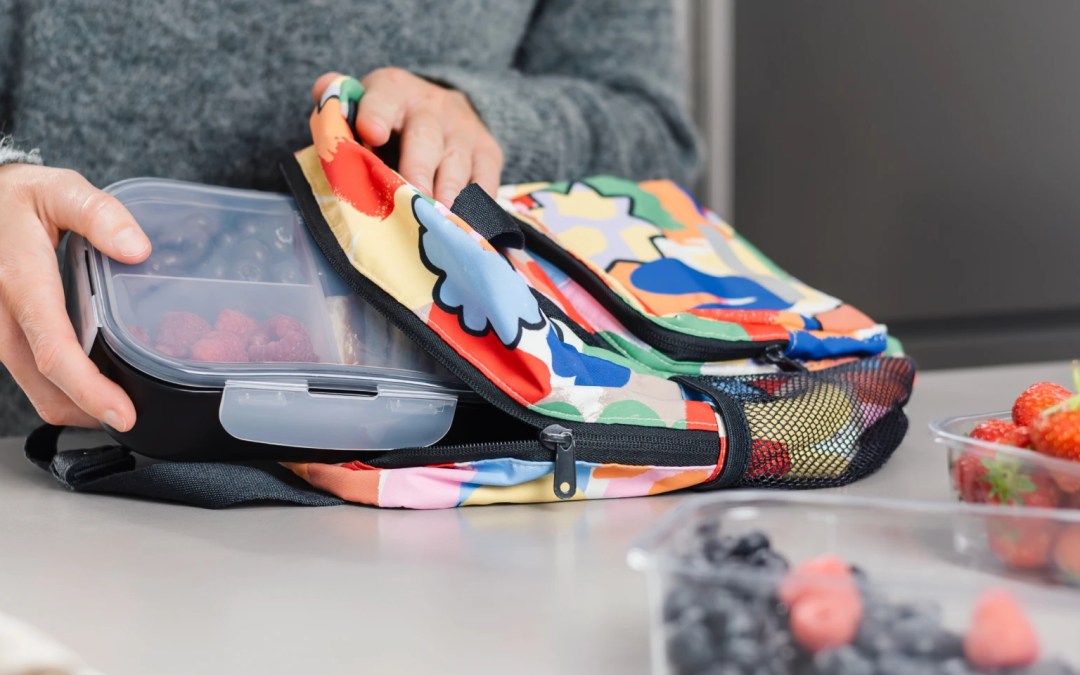
Fresh fruit and vegetables can be simple school-lunch additions, but different produce needs different preparation. Some fruit travels well whole. Berries need protection from crushing. Cut produce needs to stay cold. Hard or round foods may also need to be prepared differently for younger children.
For Birmingham families packing school lunches, this guide focuses specifically on portability, preparation, texture, containers, temperature, and age-appropriate serving.
For help deciding which fruits and vegetables to buy during the season, see Alabama seasonal produce for back-to-school meals. For detailed produce storage guidance at home, see how to keep fresh produce fresh during the school week.
Lunchbox Produce at a Glance
Use this quick guide when deciding how much preparation a fruit or vegetable needs before it goes into the lunchbox.
Pack Whole When Practical
Apples: Sturdy and easy to transport whole. For a younger child or a child who has difficulty biting a whole apple, prepare it in an age-appropriate form instead.
Oranges and mandarins: Travel well with their peel intact. If your child has trouble peeling them independently, peel or section them before school and pack them cold in a covered container.
Bananas: Require little preparation and do not need to be cut. Pack them where they are less likely to be crushed.
Use a Firm Container for Delicate Produce
Berries: A rigid container can help protect berries from being crushed by other lunchbox items.
Grapes: A small covered container keeps portions together and helps protect prepared grapes.
Cherry or grape tomatoes: Use a covered container, especially when they have been cut for a younger child.
Dry Before Packing When Extra Moisture Is a Problem
Cucumbers: After washing and slicing, dry excess surface moisture before putting the slices into a container.
Bell peppers: Wash, dry, and cut into strips or pieces that are manageable for your child.
Berries: After washing, drain and dry them gently so excess water does not collect in the container.
Keep Cut Produce Cold
Examples include:
- Sliced apples
- Peeled or sectioned citrus
- Cut melon
- Sliced cucumbers
- Cut bell peppers
- Prepared grapes or tomatoes
- Other fruits and vegetables that have been cut or peeled
Keep cut produce refrigerated before packing. When it will not be refrigerated at school, use an insulated lunch bag with cold sources.
Fruits: Choose the Packing Method That Fits the Child
The best lunchbox format is not always the format that requires the least preparation. Consider whether your child can comfortably open, peel, bite, chew, and finish the food during the time available.
Apples
A whole apple is sturdy and does not require a separate container, making it convenient for children who can comfortably eat one.
For children who prefer or need slices, cut the apple into manageable pieces and pack it in a covered container. Because it is cut produce, keep it cold.
Hard raw apple pieces can be difficult for younger children to chew safely. Prepare apples in a form appropriate for the child’s age and eating abilities.
Berries
Berries are easy to portion but can be crushed when packed next to heavier lunch items.
Wash them under running water, drain and dry them gently, and use a firm covered container. Keep them cold until lunchtime.
A small rigid container is generally a better packing choice than a soft bag when protecting the texture matters.
Oranges and Mandarins
Whole citrus travels well, but portability also depends on whether the child can peel it without help.
If your child can manage the peel, packing the fruit whole keeps preparation minimal. If not, peel or section it ahead of time, place it in a covered container, and keep it cold.
Grapes
Grapes are easy to portion into a small container, but preparation should reflect the child’s age and development.
Whole grapes can be a choking hazard for young children. Follow age-appropriate choking-prevention guidance when preparing them rather than automatically packing them whole.
Prepared grapes should be kept refrigerated and packed cold.
Melon
Melon works best as a prepared lunchbox fruit rather than a grab-and-go whole fruit.
Wash the outside before cutting. Cut the melon into pieces your child can manage, place them in a covered container, and keep them refrigerated until packing.
Because cut melon is perishable, it needs appropriate cold holding in the lunchbox when refrigeration is unavailable.
Vegetables: Think About Texture and Manageability
Raw vegetables can vary considerably in firmness and shape. That matters when deciding what to pack, particularly for younger children.
Carrots
Carrots travel well, but hard raw carrots may be difficult for younger children to chew safely.
Prepare them in a form appropriate for your child’s age and eating abilities rather than assuming whole baby carrots or thick sticks are suitable for every child.
Pack prepared carrots in a covered container and keep them cold.
Cucumbers
Cucumbers are easy to portion but can release moisture after they are sliced.
Wash them under running water, slice them into manageable pieces, and dry excess surface moisture before packing. A covered container helps keep cucumber slices separate from foods that you want to remain dry or crisp.
Keep sliced cucumber cold.
Bell Peppers
Bell peppers hold their shape well when cut into strips or smaller pieces.
Wash and dry the pepper, remove the stem and seeds, and cut it into a size your child can comfortably manage. Pack the pieces in a covered container and keep them cold.
Snap Peas
Snap peas require relatively little preparation. Wash and dry them, check their condition, and pack them in a covered container.
As with other crisp raw vegetables, consider whether their texture is appropriate for your child’s age and chewing abilities.
Cherry and Grape Tomatoes
Small tomatoes are convenient to portion, but their round shape makes preparation especially important for younger children.
Do not assume whole cherry or grape tomatoes are appropriate for every child. Prepare them according to the child’s age and development, then pack them in a covered container and keep prepared tomatoes cold.
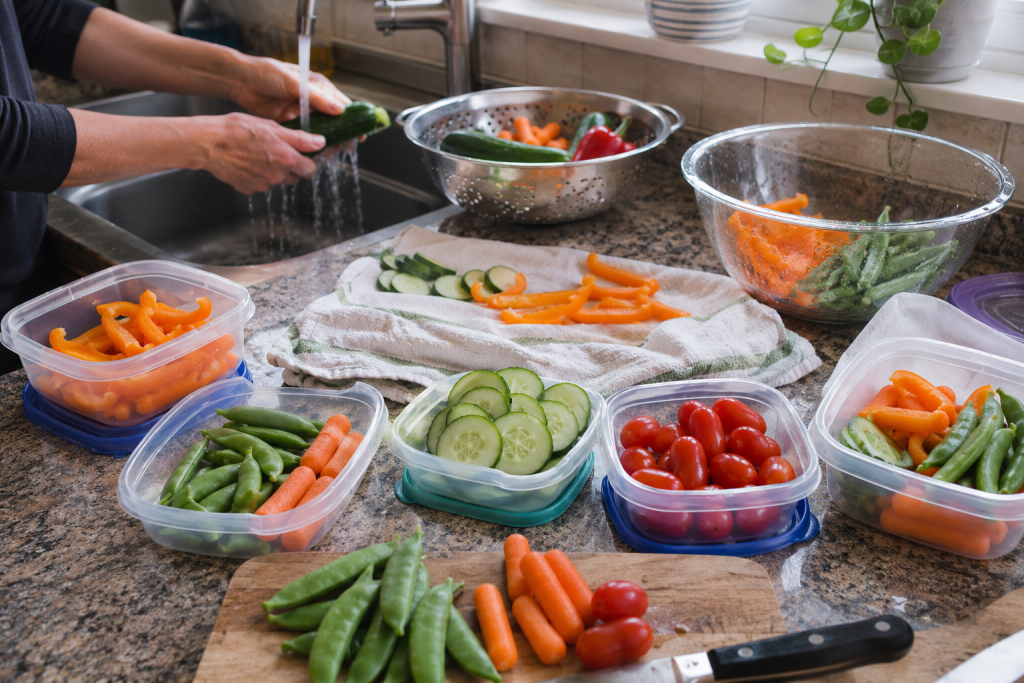
Save time on busy school mornings by washing and portioning fresh vegetables ahead of time, making colorful lunchbox sides easy to grab, pack, and enjoy.
Match the Container to the Produce
The container can affect whether produce arrives at lunchtime in a form your child wants to eat.
Use a Firm Container for Foods That Crush Easily
Berries, prepared grapes, tomatoes, and soft pieces of fruit can benefit from a rigid container that protects them from heavier lunch items.
Keep Wet and Dry Foods Separate
Cut cucumbers, melon, berries, and other moist produce can change the texture of crackers, bread, or other dry foods when packed together.
Separate containers or compartments can help keep those textures apart.
Avoid Containers Your Child Cannot Open
A reusable container is only useful at school if the child can open and close it.
Test new lunch containers at home. Have your child open the lid, remove the food, and close the container without assistance.
For younger children, a simple container with an easy-to-manage lid may be more practical than several small containers with tight seals.
Choose a Size That Matches the Portion
A very large container allows delicate fruit to move around and may take up unnecessary lunchbox space. A container that is too small can crush the food.
Choose a container that holds the intended portion without tightly compressing it.
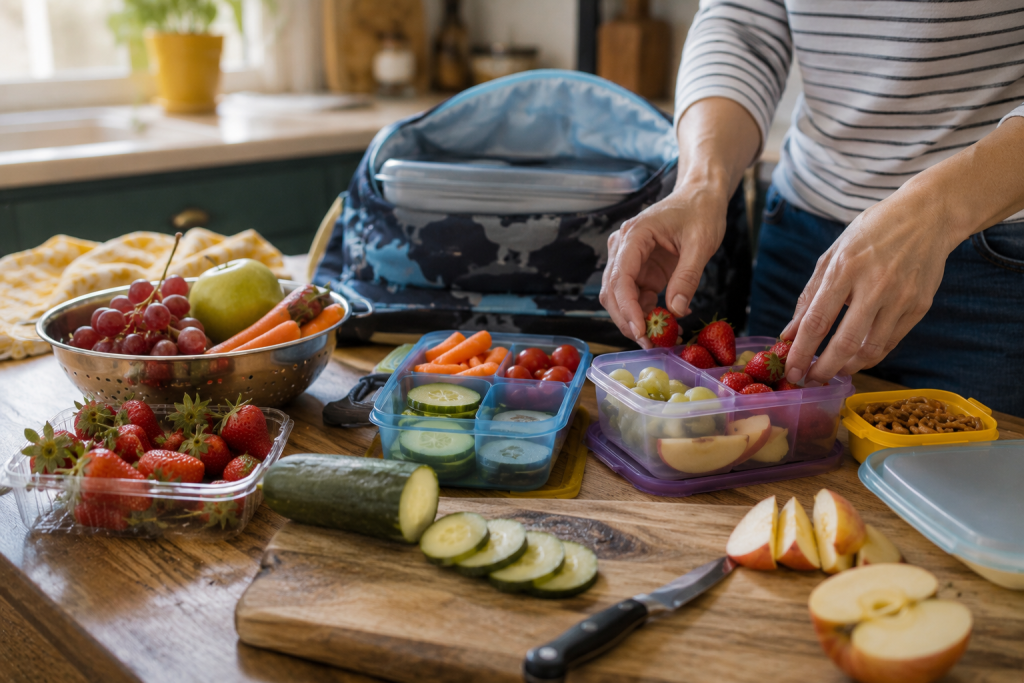
Make school-week lunch packing easier by washing, portioning, and storing family-favorite fruits and vegetables ahead of time for quick, fresh additions to every lunchbox.
Keep Cut Produce Cold
Temperature becomes especially important once produce has been cut or peeled.
Keep cut or peeled fruits and vegetables refrigerated before they go into the lunchbox. If the lunch will not be stored in a refrigerator at school, USDA recommends an insulated lunch bag with at least two cold sources for perishable foods.
Cold sources can include frozen gel packs or a frozen water bottle used with another suitable cold source.
Place cold produce into the insulated bag shortly before leaving for school rather than allowing it to sit at room temperature during the morning routine.
Prepare Produce Safely Before Packing
Wash fresh fruits and vegetables under running water before eating or cutting them. Do not wash produce with soap or detergent.
Firm produce can be rubbed or scrubbed while rinsing as appropriate. After washing, dry produce when excess moisture could affect how well it travels in the lunchbox.
Wash the outside of melons before cutting them so the knife does not carry material from the rind into the edible portion.
Keep produce separate from raw meat, poultry, seafood, and utensils or surfaces that have contacted those foods.
For detailed guidance on storing individual fruits and vegetables during the school week, continue with how to keep fresh produce fresh during the school week.
Packing Produce for Younger Children
Age and development can change how a fruit or vegetable should be served.
Foods that are hard, round, firm, or difficult to chew may need to be cut, softened, or otherwise prepared differently for a younger child.
Pay particular attention to foods such as:
- Whole grapes
- Cherry or grape tomatoes
- Hard raw carrots
- Hard raw apple pieces
- Other firm or round fruits and vegetables
Preparation should be based on the individual child’s developmental abilities and current choking-prevention guidance.
Also consider school-day independence. A child may be able to eat an orange but not peel it within a short lunch period, or may be comfortable eating apple slices but not biting into a whole apple.
The goal is to pack produce in a form the child can manage safely and independently.
A Quick Packing Decision
Before fresh produce goes into the lunchbox, ask:
- Can my child manage it? Consider biting, chewing, peeling, utensils, and age-appropriate preparation.
- Will it travel well? Protect delicate produce from crushing and separate moist foods from foods that should stay dry.
- Does it need to stay cold? Keep cut and other perishable prepared produce refrigerated and use an insulated bag with cold sources when needed.
- Can my child open the container? Test unfamiliar containers at home.
- Is the portion practical? Pack an amount that fits the child’s appetite and available lunch or snack time.
Those five questions are more useful for lunchbox packing than choosing produce based only on what looks convenient at the grocery store.
FAQ
What fruits are easiest to pack whole?
Apples, bananas, oranges, and mandarins can be practical whole-fruit options when the child can comfortably manage them. Consider whether the fruit is easy for your child to bite, peel, and eat during the time available.
How should I pack berries so they do not get crushed?
Use a small, firm container rather than a soft bag. Wash, drain, and gently dry the berries before packing, and keep them cold.
Does cut fruit need to stay cold in a school lunch?
Cut or peeled produce should be kept refrigerated before packing. When school refrigeration is unavailable, pack perishable foods in an insulated lunch bag with appropriate cold sources.
What produce needs special preparation for younger children?
Hard or round foods deserve particular attention. Whole grapes, cherry or grape tomatoes, hard raw carrots, and hard raw apple pieces may need to be cut, softened, or otherwise prepared according to the child’s age and developmental abilities.
Should I cut all fruit and vegetables the night before?
Not necessarily. This article focuses on how to prepare produce for the lunchbox rather than how long individual produce keeps after preparation. For detailed make-ahead and storage guidance, see how to keep fresh produce fresh during the school week.
Pack Produce for the School Day Ahead
A good lunchbox produce choice is not simply a fruit or vegetable that fits inside the bag. It should also fit the child and the conditions in which it will be eaten.
Think about texture, preparation, temperature, container size, portability, and whether your child can manage the food independently. Pack whole produce when practical, protect delicate foods from crushing, keep prepared perishable produce cold, and adjust hard or round foods for younger children when needed.
For complete lunches that put those packed fruits and vegetables to use, continue with easy school lunch ideas with fresh ingredients.